

This company has no active jobs
0 Review
Rate This Company ( No reviews yet )
About Us
So You’ve Bought Historic Window Repair … Now What?
The Art and Necessity of Historic Window Repair
Historic windows are more than simply openings in a building; they are windows into the past, protecting the architectural and cultural heritage of bygone eras. When these windows begin to show indications of wear and tear, it is essential to approach their repair with a thoughtful and meticulous process that appreciates both their historic significance and functional stability. This short article dives into the intricacies of historic window repair, using insights into the approaches, materials, and considerations included in maintaining these cherished components.
The Importance of Historic Windows
Historic windows are a testimony to the workmanship and design of different architectural periods. They typically feature unique materials, such as hand-blown glass, and elaborate detailing that is not discovered in modern-day windows. These windows not only include visual value to a building but also provide historical context, informing stories of the past and connecting us to our heritage. Preserving them is vital for preserving the authenticity and integrity of historic structures.
Common Issues with Historic Windows
Before diving into the repair process, it is crucial to understand the typical concerns that historical windows deal with. These concerns can vary from minor to significant, and each needs a different technique to repair.
- Wood Rot and Decay: Wood is a common product used in historical windows, and it is susceptible to rot and decay due to moisture exposure and age.
- Broken Glass: Over time, glass can break or break, especially if it is original to the structure and has actually been subjected to ecological tension.
- Run-down Hardware: The hardware utilized in historic windows, such as locks, hinges, and pulleys, can wear and need replacement.
- Paint and Finish Deterioration: Paint and surfaces can peel, flake, or fade, exposing the underlying wood to the elements.
- Weather Sealing Issues: Poor weather sealing can lead to drafts, moisture infiltration, and energy inefficiency.
Actions in Historic Window Repair
Fixing historic windows is an intricate process that needs a mix of conventional methods and modern options. Here is a step-by-step guide to the repair process:
-
Assessment and Documentation
- Condition Survey: Conduct an extensive examination to evaluate the condition of the windows. Note any signs of damage, such as rot, broken glass, or used hardware.
- Photographic Documentation: Take in-depth photographs of the windows before, throughout, and after the repair process. This documentation is important for historical records and for guaranteeing that the repair is done properly.
-
Preservation of Original Materials
- Maintain as Much Original Material as Possible: The objective of historic window repair is to maintain as much of the original material as possible. Only replace broken components that can not be restored.
- Usage Compatible Materials: When replacements are essential, use materials that work with the initial. For instance, if the original window was made of oak, use oak for any new wood components.
-
Repairing Wood Rot and Decay
- Eliminate Rotted Wood: Carefully remove any rotted wood utilizing hand tools. It is essential to prevent harming the surrounding wood.
- Apply Wood Hardener: For locations with small rot, apply a wood hardener to support the wood. This can assist extend the life of the window without the requirement for complete replacement.
- Replace Damaged Sections: For more serious damage, replace the broken sections with brand-new wood. Usage conventional joinery techniques to ensure a smooth fit.
-
Restoring Glass
- Recognize Glass window repair Type: Determine the type of glass used in the initial window. Hand-blown glass, for example, has special qualities that ought to be matched in the restoration procedure.
- Replace Broken Panes: If glass is broken, replace it with glass that matches the initial in regards to density, color, and texture. Custom-made glass can be ordered to attain this.
- Reinstall Glass: Carefully re-install the glass, ensuring that it is effectively seated and sealed to prevent air and water infiltration.
-
Repairing Hardware
- Tidy and Lubricate: Clean and lube any existing hardware to ensure it functions smoothly. This can frequently fix problems without the need for replacement.
- Replace Faulty Components: If hardware is beyond repair, replace it with components that match the original in style and function. Think about using antique or reproduction hardware to maintain historical accuracy.
-
Refinishing and Painting
- Remove Old Paint: Use proper techniques to eliminate old paint, such as chemical strippers or heat weapons. Beware to prevent harming the wood.
- Prepare Surface: Sand the wood to a smooth surface and use a guide to prepare it for painting.
- Paint and Finish: Apply a premium paint or finish that is proper for the historical duration of the building. Think about utilizing conventional paint formulations for a more authentic look.
-
Weather Sealing
- Install Weatherstripping: Add weatherstripping to the sashes and frames to improve energy effectiveness and prevent drafts. Select weatherstripping products that work with the historic appearance of the window.
- Examine Seals: Regularly examine the seals to ensure they are functioning properly and replace them as needed.
Benefits of Historic Window Repair
- Conservation of Historical Integrity: Repairing historical windows helps keep the architectural and cultural heritage of a building, making sure that it stays an important part of the community’s history.
- Energy Efficiency: Properly repaired and weather-sealed windows can enhance energy efficiency, reducing cooling and heating expenses.
- Economical: Repairing historical windows can be more cost-effective than changing them with modern-day equivalents, specifically when thinking about the value of the structure’s historic significance.
- Sustainability: Repairing and bring back historic windows is a sustainable practice that minimizes waste and conserves resources.
Frequently Asked Questions About Historic Window Repair
Q1: Can historical windows be made energy efficient?
- A1: Yes, historical windows can be made more energy efficient through appropriate repair and weather sealing. Strategies such as adding storm windows, weatherstripping, and using high-performance glazing can considerably improve their thermal efficiency while keeping their historic appearance.
Q2: How do I determine the initial materials utilized in historic windows?
- A2: Identifying initial materials typically needs a mix of visual assessment, historic research, and in some cases material analysis. Consulting with a professional conservator or architectural historian can supply important insights.
Q3: What should I do if my historical windows are beyond repair?
- A3: If windows are beyond repair, think about replicating them utilizing products and strategies that match the original as closely as possible. Speak with an expert to make sure that the new windows are traditionally accurate and meet local conservation standards.
Q4: Are there any tax rewards for historic window repair?
- A4: Many regional and national conservation organizations provide tax rewards and grants for the repair of historic structures, including window repair. Check with your regional preservation board or the National Park Service for readily available programs.
Q5: Can I repair historic windows myself?
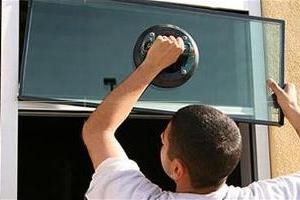
- A5: Basic upkeep and minor repairs can frequently be done by property owners. Nevertheless, more complex repairs, particularly those involving wood rot, damaged glass, or hardware replacement, must be managed by an expert to ensure the work is done properly and in compliance with preservation requirements.
Historic window repair is a delicate and satisfying procedure that requires a mix of historical understanding, practical abilities, and a deep gratitude for the past. By following the actions detailed in this article and considering the supplied FAQs, property owners and preservationists can guarantee that these windows are not only brought back to their previous glory however likewise continue to function successfully in modern times. Preserving historical windows is an important part of keeping our developed heritage, and it is a task that should be approached with care and respect.
Extra Resources
- National Forest Service: Offers guidelines and resources for the conservation of historical windows.
- Regional Preservation Boards: Provide information on regional regulations and incentives for historical conservation.
- Professional Conservators: Experts in the field who can provide specialized services and advice for complex repair tasks.
By putting in the time to understand and respect the historic significance of these windows, we can make sure that they continue to inform their stories for generations to come.