
This company has no active jobs
0 Review
Rate This Company ( No reviews yet )

Inbuilt Kitchen Appliances
(0)About Us
The 9 Things Your Parents Teach You About Built In Electric Oven
The Comprehensive Guide to Built-In Electric Ovens
Intro
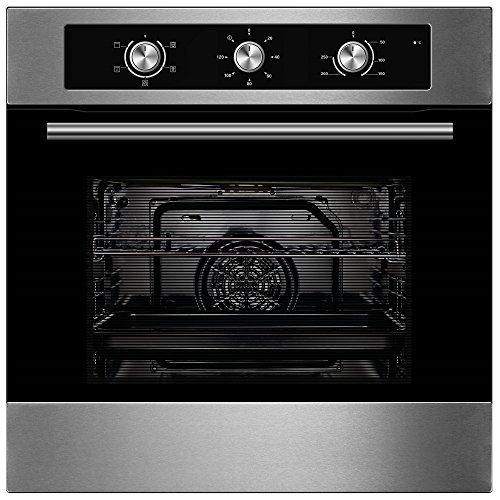
Built-in electric ovens have ended up being a staple in modern-day kitchen areas, combining benefit with efficiency while improving the general visual of cooking spaces. Unlike conventional freestanding models, built-in ovens are integrated into cabinetry, providing a streamlined and seamless look. In this post, we will explore the numerous aspects of built-in electric ovens, including their advantages, features, installation factors to consider, and upkeep suggestions. In addition, some often asked concerns will be addressed to provide a detailed understanding of this kitchen device.
Tabulation
- What is a Built-In Electric Oven?
- Advantages of built in electric oven-In Electric Ovens
- Key Features to Consider
- Setup Guidelines
- Maintenance and Care
- Regularly Asked Questions (FAQs)
- Conclusion
1. What is a Built-In Electric Oven?
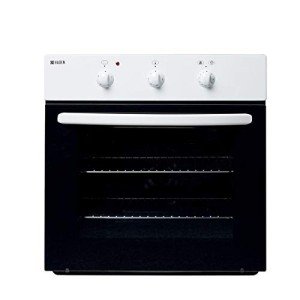
A built-in electric oven is a type of cooking home appliance that is designed to be set up straight into kitchen cabinetry. It operates using electrical energy and can be integrated into wall systems or beneath the countertop. This type of oven offers flexibility in design and can be paired with other appliances to create a cohesive kitchen layout.
2. Benefits of Built-In Electric Ovens
Built-in electric ovens included a number of benefits that make them a popular option among homeowners and chefs alike. Here are some key advantages:
- Space-saving Design: Built-in ovens free up counter top space, producing a less messy kitchen environment.
- Aesthetic Appeal: They provide a more polished appearance, enabling for personalization with cabinets, which can raise the total style of the kitchen.
- Enhanced Accessibility: These ovens are often set up at eye level, making it easier to examine food without bending down and lowering the threat of spills.
- Versatile Cooking Options: Many built-in electric ovens come with multiple cooking functions such as baking, broiling, and convection settings for versatility.
- Energy Efficiency: Electric ovens tend to be more energy-efficient than gas models, making them an environment-friendly option for the home.
3. Key Features to Consider
When selecting a built-in electric oven, it is important to assess numerous functions to ensure it meets cooking requirements. Here are some functions to search for:
- Capacity: Choose an oven size that fits your family’s cooking requirements; capabilities usually range from 24 to 30 inches.
- Convection Settings: Convection ovens use a fan to distribute hot air, promoting even cooking and browning.
- Self-Cleaning Options: Many contemporary ovens come with self-cleaning capabilities, saving effort and time.
- Smart Technology: Some built-in electric ovens boast wise functionalities, enabling users to control settings by means of mobile phone apps.
- Multiple Racks: Check if the oven has adjustable racks to accommodate various sizes of cookware.
| Feature | Description |
|---|---|
| Size | Ranges from 24 to 30 inches |
| Self-Cleaning Option | Yes/No |
| Convection Feature | Yes/No |
| Smart Technology | Yes/No |
| Number of Racks | Adjustable racks for different cooking requires |
4. Installation Guidelines
Setting up a built-in electric oven requires mindful factor to consider and planning. Here are some actions to follow throughout the setup process:
- Measure the Space: Ensure that the oven will fit in the designated cabinet requirements, considering any extra clearance needed for ventilation.
- Electrical Outlet: Verify that a suitable electrical outlet is offered near the installation site, as many built-in electric ovens require a devoted 240-volt circuit.
- Level the Oven: A level setup is vital to ensure even cooking. Use adjustable legs or spacers to help in leveling the oven.
- Secure the Oven: Once positioned in the cabinet, secure the oven according to the manufacturer’s guidelines to avoid movement during usage.
- Test Functionality: Before finalizing the setup, test the oven to ensure it operates smoothly and safely.
5. Upkeep and Care
Proper maintenance is vital for guaranteeing the longevity and effectiveness of a built-in electric oven. Here are some upkeep pointers:
- Regular Cleaning: Wipe down the exterior and interior of the oven after each use; for self-cleaning models, follow the manufacturer’s guidelines.
- Inspect Seals and Gaskets: Inspect oven door seals for wear and tear, as reliable seals prevent heat loss and energy waste.
- Adjust the Oven: If food is regularly overcooking or undercooking, think about recalibrating the oven temperature level according to the user handbook.
- Scheduled Servicing: It is a good idea to have actually the oven serviced by a professional technician yearly to ensure it stays in good working condition.
6. Regularly Asked Questions (FAQs)
Q1: Do built-in electric ovens need unique installation?
- Yes, built-in electric ovens require expert setup to guarantee they are safely integrated into kitchen cabinetry and connected to the electrical system.
Q2: Can built-in electric ovens be utilized for several cooking methods?
- Yes, numerous modern-day built-in electric ovens use different cooking methods, consisting of baking, roasting, broiling, and convection cooking.
Q3: Are built-in electric ovens more energy-efficient than traditional designs?
- Generally, electric ovens can be more energy-efficient than gas ranges, specifically with functions like self-cleaning and convection cooking.
Q4: How often should I clean my built-in electric oven?
- It is suggested to clean up the oven routinely and to use the self-cleaning feature (if available) a minimum of every couple of months based on use.
7. Conclusion
Built-in electric ovens are a sophisticated addition to any kitchen, integrating performance with style. With their different functions, energy effectiveness, and sleek style, they can substantially boost both the cooking experience and the overall kitchen aesthetics. By understanding their advantages, setup requirements, and upkeep needs, homeowners can make educated decisions when investing in this vital kitchen home appliance.
Integrating a built-in electric oven into your kitchen can be a transformative choice – one that raises both the cooking experience and the appeal of the kitchen area.